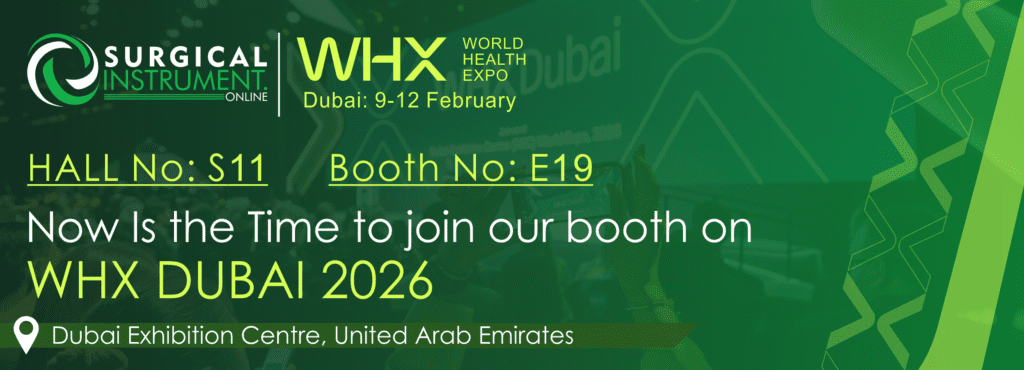
WHX Dubai 2026 Surgical Instrument Online at the Dubai Exhibition Centre

The global healthcare industry continues to evolve with rapid innovation, and WHX Dubai 2026 stands as one of the most important healthcare exhibitions in the world. Bringing together medical professionals, manufacturers, distributors, and buyers from across the globe, WHX Dubai is the ultimate platform for discovering the future of healthcare.
Surgical Instrument Online is proud to announce its participation at WHX Dubai 2026, taking place from 9 – 12 February 2026 at the Dubai Exhibition Centre, United Arab Emirates. Visitors can meet us at Hall S11, Booth E19, where we will showcase our premium-quality surgical instruments trusted by healthcare professionals worldwide.
About WHX Dubai 2026
WHX Dubai is a globally recognized healthcare and medical trade exhibition that connects the international medical community under one roof. The exhibition highlights innovations and advancements in:
- Surgical instruments and medical devices
- Hospital and diagnostic equipment
- Healthcare technology and solutions
- Medical supplies and professional tools
With exhibitors and attendees from over 100 countries, WHX Dubai plays a vital role in shaping the future of global healthcare and medical trade.
Event Details – WHX Dubai 2026
Venue: Dubai Exhibition Centre, United Arab Emirates
Hall No: S11
Booth No: E19
Dates: 9 – 12 February 2026
Opening Times
- Monday, 09 February 2026: 11:00 – 18:00
- Tuesday, 10 February 2026: 10:00 – 18:00
- Wednesday, 11 February 2026: 10:00 – 18:00
- Thursday, 12 February 2026: 10:00 – 17:00
Why Attend WHX Dubai 2026?
Discover Advanced Medical Innovations
WHX Dubai 2026 will feature the latest advancements in medical technology and surgical solutions. The exhibition is the perfect place to explore precision-engineered surgical instruments designed to meet modern healthcare demands.
Global Networking Opportunities
Meet surgeons, hospital administrators, distributors, and healthcare decision-makers from around the world. WHX Dubai offers unmatched opportunities to build partnerships, expand networks, and explore new markets.
Educational Sessions & Industry Insights
Expert-led seminars and workshops will cover medical advancements, regulatory updates, and emerging healthcare trends, helping professionals stay competitive in the global medical industry.
Grow Your Business & Brand Visibility
With thousands of international visitors, WHX Dubai provides excellent exposure for brands seeking to strengthen their presence in the global healthcare market.
Surgical Instrument Online at WHX Dubai 2026
Surgical Instrument Online is a trusted global supplier of premium surgical instruments and medical tools. At WHX Dubai 2026, we will present our wide range of high-quality instruments designed to meet international medical standards.
Our Product Excellence
Premium Quality Surgical Instruments
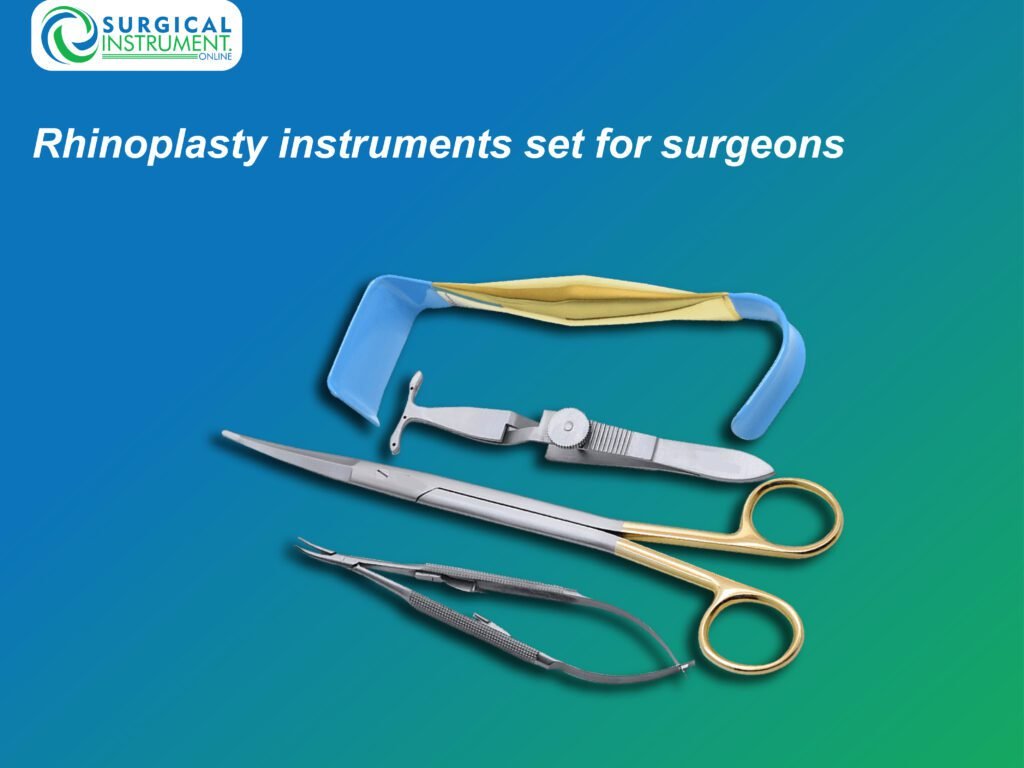
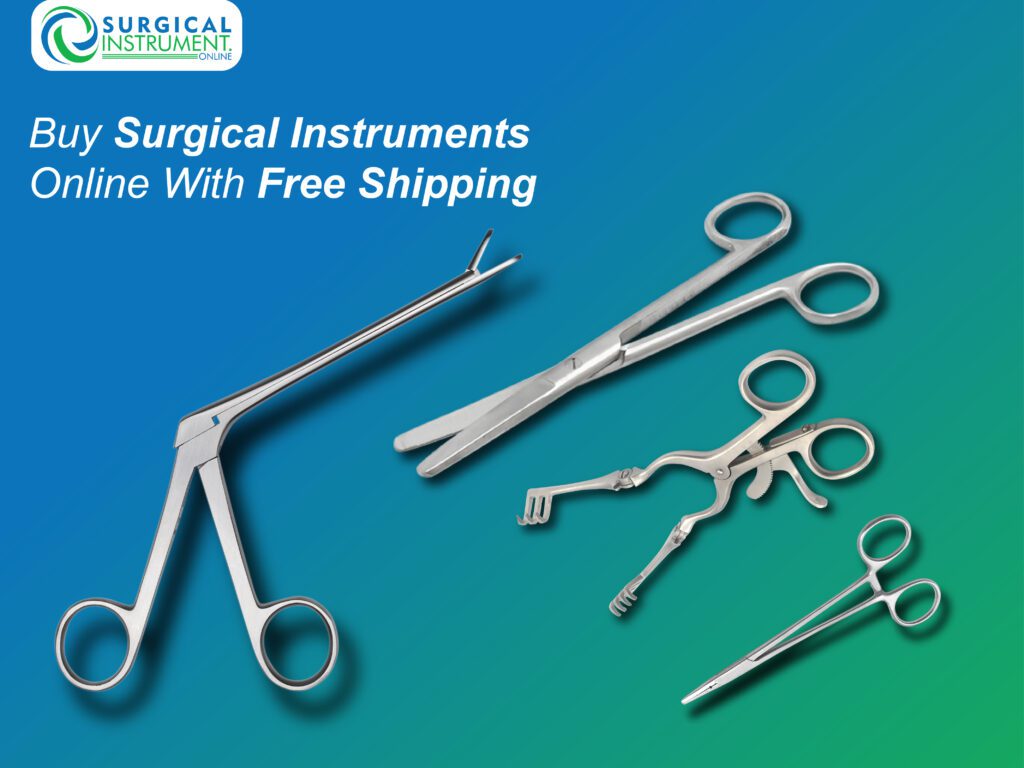
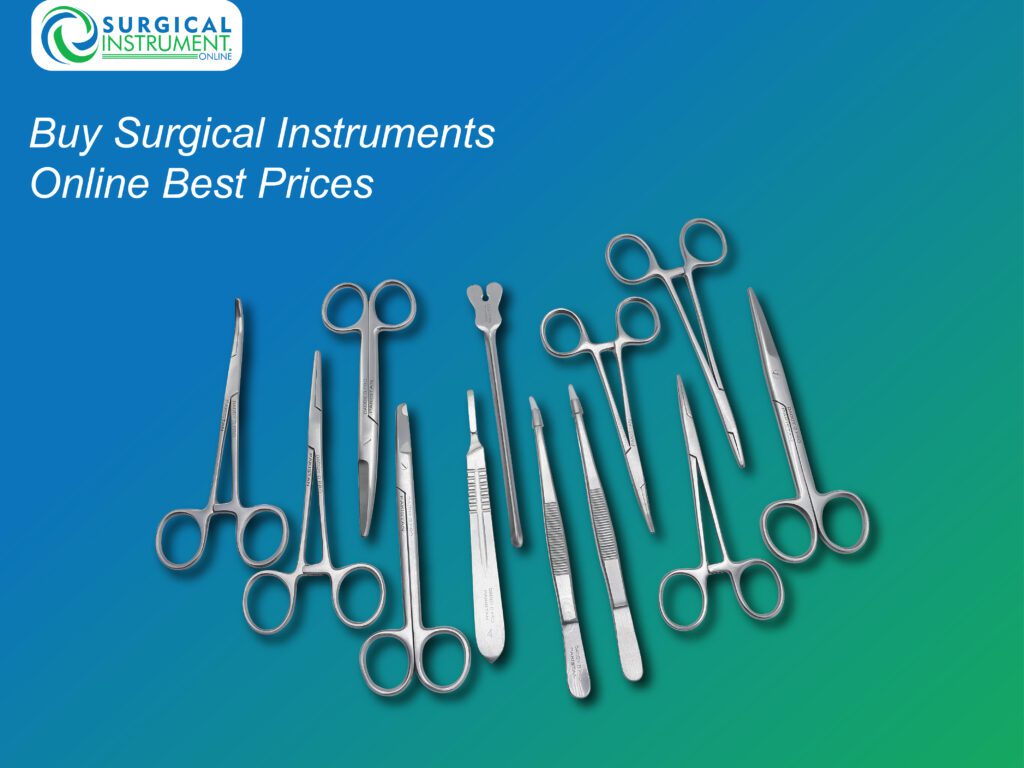
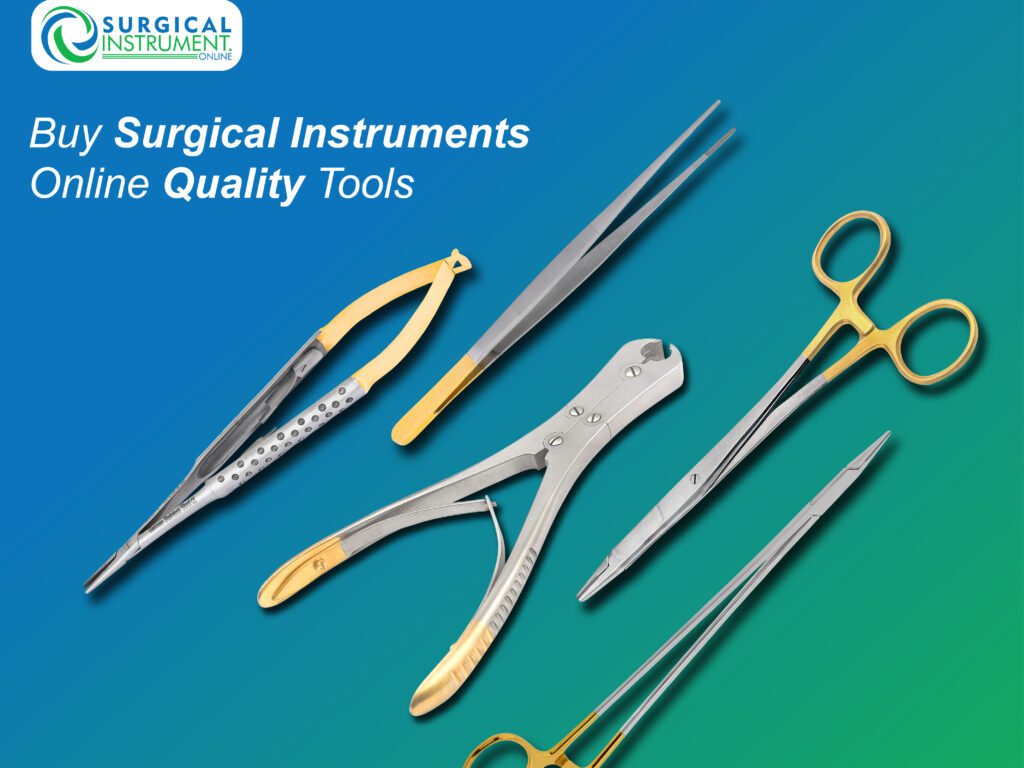
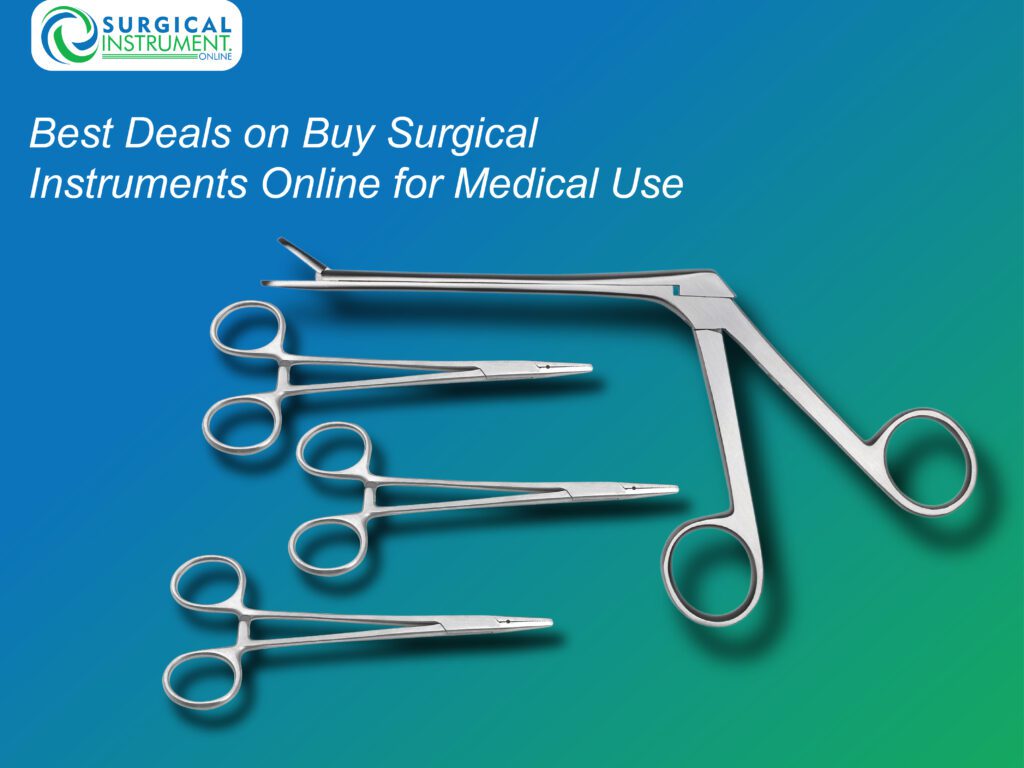
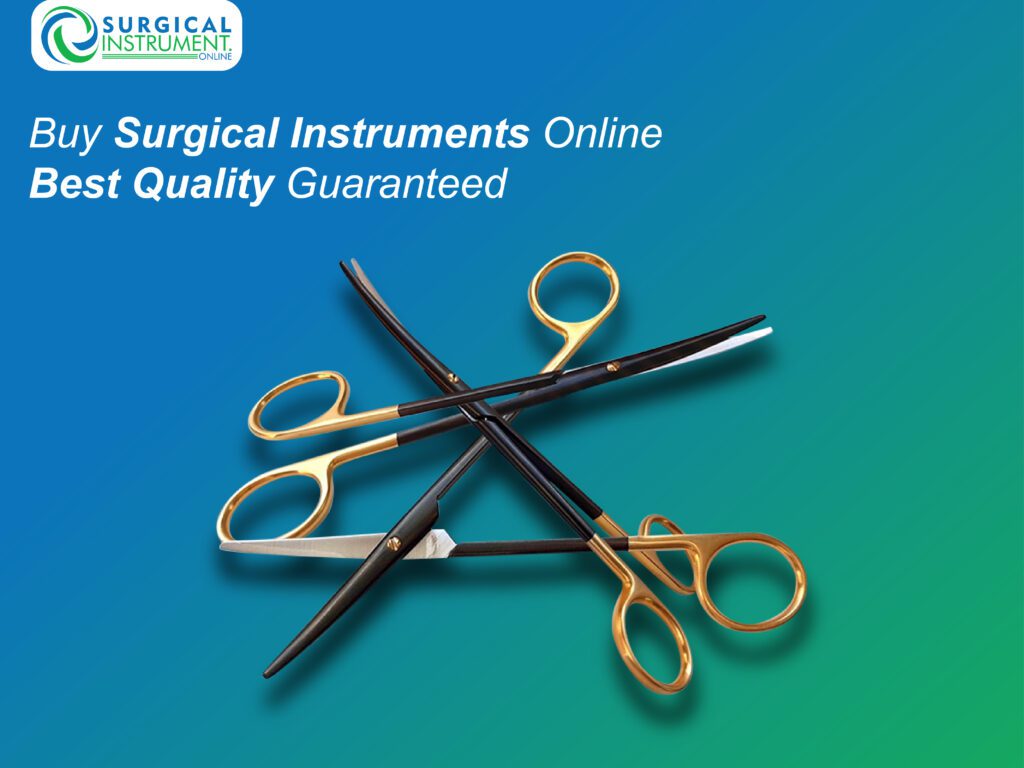
We supply precision-crafted surgical instruments, including forceps, scissors, needle holders, and specialty tools. Each instrument is designed for accuracy, safety, and consistent performance in medical procedures.
Wide Range of Surgical Specialties
Our product portfolio supports multiple medical fields, including:
- General surgery
- Orthopedic surgery
- Dental surgery
- Ophthalmology
- Specialized surgical procedures
High-Grade Materials & Durability
All instruments are manufactured using high-quality stainless steel, ensuring:
- Corrosion resistance
- Long-lasting sharpness
- Exceptional durability
This makes our instruments a reliable, long-term investment for hospitals, clinics, and medical professionals.
Affordable Pricing & Reliable Support
Surgical Instrument Online offers competitive pricing without compromising on quality. Our experienced support team ensures smooth communication, expert assistance, and timely global delivery.
Meet Our Representative at WHX Dubai 2026
Attendant: Mail Saleem
Contact: +13059051732
Email: support@surgicalinstrument.online
Mr. Mali Saleem will be available at Hall S11, Booth E19 to discuss product details, bulk orders, partnerships, and customized surgical solutions.
Why Visit Surgical Instrument Online at WHX Dubai?
- Trusted surgical instrument supplier worldwide
- International quality and manufacturing standards
- Extensive product range across medical specialties
- Focus on precision, safety, and durability
- Excellent customer service and global shipping
Conclusion
WHX Dubai 2026 is a key event for the global healthcare industry, offering unmatched opportunities for innovation, networking, and business growth. Surgical Instrument Online looks forward to welcoming healthcare professionals, distributors, and buyers at Hall S11, Booth E19 at the Dubai Exhibition Centre.
Visit us to explore premium surgical instruments and discover reliable solutions designed to support modern healthcare excellence.
9 – 12 February 2026
Dubai Exhibition Centre, United Arab Emirates